
Times are tough for retailers, and there’s rightly a lot of attention on the external headwinds that seem to be battering the industry from all directions. But we also need to talk about something that is happening right in our stores that is certainly not making life any easier for businesses.
Retail shrink is rising at an alarming rate. Recent industry research shows shoplifting incidents have soared by 93% since 2019, with annual losses from theft expected to exceed $50 billion by next year. The criminality is often organized and targeted, with 76% of retailers saying that the role of criminal gangs is a growing concern, while internal theft accounts for 28.5% of total shrink.
In the face of this onslaught, retailers seem powerless to do anything about it. It’s estimated that just 2% of shoplifters are caught.
These figures underline a stark truth – shrink is a threat to margins, growth and long-term resilience that is threatening to spiral out of control. Retailers need to find a way to fight back, and soon.
A good place to start is POS.
POS as a Risk Factor
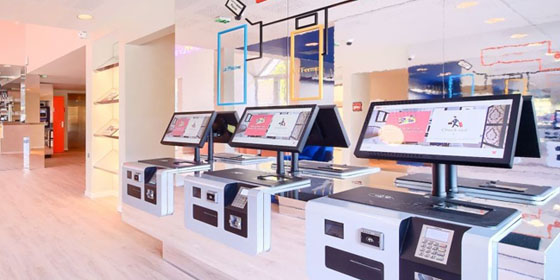
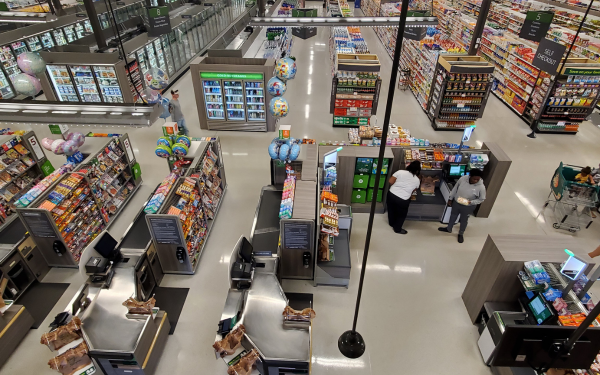
Something else we need to talk about honestly is the role modern POS systems – and, specifically, self-checkout – has played in shrink rates almost doubling in the past seven years.
Mis-scanning items at kiosks is cited by 62% of retailers as the major contributor to losses by theft. In second place is barcode switching (48%). And it’s not just opportunistic thieves that have identified this weak link in security. 40% of self-checkout theft is linked to organized crime.
Self-checkout can’t take all the blame, though. POS plays a role in the quarter of all thefts that are perpetrated internally, too. This can be through staff mis-scanning items in so-called ‘sweetheart’ thefts where items are then passed to accomplices posing as customers in fraudulent sales. Or by workers abusing override permissions to game sales logs.
The Need for POS Security-by-Design
The problem with mis-scanning, barcode switching and other similar tactics employed by criminals is that they effectively hide theft by logging genuine sales. Scanning all items sold is in itself a good strategy for combating shrink because you can compare inventory against sales logs, and easily see where gaps in the inventory list aren’t accounted for. Unfortunately, there’s been a major delay in security protocols around self-scanning catching up with the self-service technology itself.
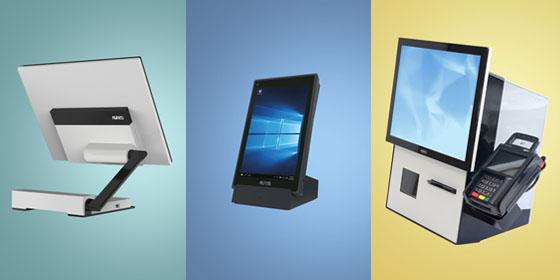
But things are catching up rapidly. The latest generation of POS systems are being built to be secure by design. The key here is that it has been proven that trying to layer surveillance onto legacy systems isn’t enough – security has to be hard baked into the system, combining hardened, tamper-resistant physical units, robust access permissions, and AI-powered monitoring.
AI brings the ability to analyze transactions and video surveillance feeds in real time, flagging suspicious patterns in everything from refunds, overrides and voided sales to scanning behaviour as it happens. Integrating cameras into self-checkout has already been shown to be a useful deterrent. With computer vision AI, you can turn them into an invaluable enforcement tool by ‘reading’ when a customer attempts to mis-scan or substitute and item.
Cutting edge POS security goes even further than this. Computer vision will eventually replace scanners to make mis-scans and substitutions impossible – the AI will see everything in a basket and log it for sale automatically. This can be supported by increased use of RFiD tags and on-shelf IoT sensors, working in sync with POS to compare what’s taken off the shelf with what gets presented at checkout.
Technology can also help crack down on cases of internal fraud by using biometric identification to stamp out abuse of user permissions. If your face (or your fingerprint or iris scan) doesn’t fit, there’s no way to trick yourself into the system.
In conclusion, winning the battle against retail shrink requires a step up in POS security, with systems engineered from the ground up to incorporate AI monitoring and robust protections against misuse. Criminals evolve their tactics with frightening speed. Retailers need to use all the tools at their disposal to keep pace.