

Shrink is one of those problems that just won’t go away in the retail sector. The well-documented spike in shoplifting post-pandemic, including a rise in organised criminal gangs targeting retail, saw shrinkage levels in the UK’s grocery sector soar by 33% between 2018 and 2023.
There’s been little respite since. Across the whole retail industry, ONS figures put the average shrink rate at 1.4% to 1.7% of total sales, with more than half of that attributed to shoplifting. An even more telling figure comes from the Association of Convenience Stores (ACS), which talks about its members facing a ‘crime tax’ worth £0.11p on every transaction, when you add up the combined costs of losses to theft and prevention.
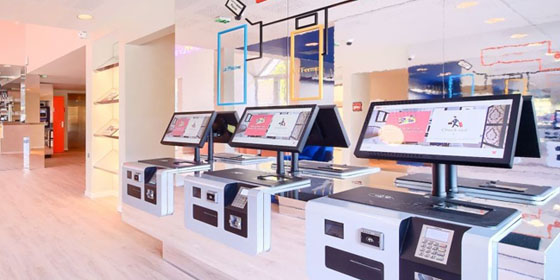
The issue of prevention costs is pertinent. Some £1.8bn a year is spent on loss prevention in UK retail, much of it on AI video surveillance technology like the so-called ‘checkout VAR’ systems many supermarkets have installed at self-checkout kiosks. But while no one can doubt how clever the technology is, the fact that such a high level of spend is barely putting a dent in shrinkage rates suggests something is missing.
The Missing Link in Intelligent Surveillance
The arrival of computer vision AI has led to major advances in recognising the visual ‘tells’ associated with shoplifting. Security cameras no longer need constant human monitoring – or review after the fact – to identify people trying to conceal products on their person, drop products into bags without scanning, or generally suspicious behaviour around checkout. AI can spot all of the above and more, and raise the alarm in real time.
The problem is that those behaviours only scratch the surface of ways that theft and loss occur. It’s very hard to spot someone deftly switching products so a cheaper item than the one placed in the bagging area is scanned, or even using a discount barcode taken from the reduced section.
And theft doesn’t just occur at self-checkout. Some estimates suggest that employees are involved in 40% of all retail theft in the UK, either stealing directly themselves or colluding with thieves posing as customers. Unauthorised discounts, false refunds, repeated voids or deliberately unscanned products are very hard to detect visually.
Such losses are difficult to detect via video surveillance or in the transaction data when both are considered separately. But that changes if you cross-reference the two. By having video and POS data working in sync, you can spot that the item placed in a basket wasn’t the one scanned, or didn’t match the item registered to the discount barcode. You can see visually when voided sales haven’t been followed by a re-scan, and the ‘customer’ has instead walked off with the items, or that nothing has been returned when refunds have been issued.
Connecting Video and Transactions with SRP-ULP510
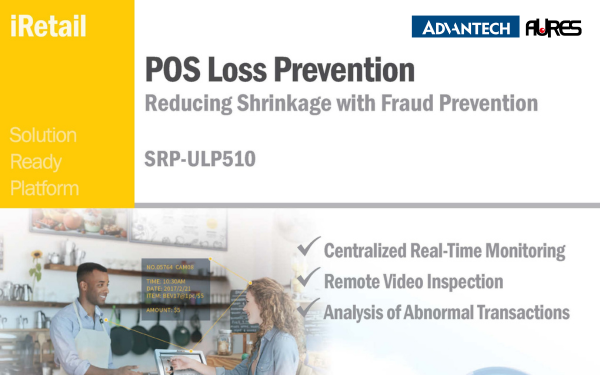
Advantech’s SRP-ULP510 POS Loss Prevention system offers a ready-made solution for enriching in-store video surveillance with POS transaction data. Captured footage from anywhere in the store can be analysed in the context of what gets processed through the till system – were those items taken off the shelf ever scanned? Do those discounts logged at sale match the inventory record of the items presented at checkout?
The SRP-ULP510 gives retailers control over how they define an exceptional event or abnormal transaction. When the conditions are met, SRP-ULP510 tags the event, connects it to relevant images and sends an alert. This happens in real time to support in-store enforcement. But it also provides a strong evidence base for proving theft and prosecuting the perpetrators. On the flipside, it also helps retailers distinguish deliberate fraud from accidental misscans, operator errors and weaknesses in checkout procedures.
This joined-up approach exposes losses that would remain hidden within surveillance and POS data if the two were not considered together. It therefore represents the next stage of evolution in intelligent loss prevention. AI has already become highly sophisticated in identifying suspicious behaviour. But POS data provides both the context needed to understand what is happening better, and the factual evidence required to prove whether it is theft, fraud or error. In doing so, it delivers the more nuanced level of insight retailers need to fully understand shrink patterns, and so be able to counter them more effectively.