
Maryland’s move to become the first state to ban so-called surveillance pricing has brought the wider debate around dynamic pricing strategies back into the headlines. But this time, the focus isn’t on soccer World Cup ticket prices or how much you pay for an Uber after a big public event. It’s about pricing in retail stores.
The statute signed by Maryland governor Wes Moore specifically bans the use of personal data to adjust pricing in grocery stores. The idea is that, through what critics claim amounts to a form of surveillance – location data and search and purchase history on a person’s cell phone, demographic and behavior data picked up from in-store cameras – AI algorithms can predict the maximum amount a person is willing to pay for an item.
With automated electronic shelf labels, prices can be adjusted in real time for each individual customer.
On the face of things, this level of personalization is something retailers have long argued is to the benefit of the customer. The fact that it is now even possible in physical stores is a testament to how far in-store technology has come.
Surveillance pricing is just one example of dynamic pricing, and most of the concern around it to date focuses on its application in grocery retail. The Federal Trade Commission (FTC) has documented examples of the practice in fashion, beauty, home goods and hardware stores. But as a staple need, critics argue that it is exploitative to ask shoppers to in effect pay the most they can afford at a time when household budgets are under such pressure. Other states including New Jersey, Colorado, California, Massachusetts and Illinois are believed to be considering moves to follow Maryland’s lead.
But what of dynamic pricing in general? Why has it become such a source of controversy? And can it ever work in the best interests of retailers and consumers alike?
What’s in it for the customer?
The use of personal consumer data relies on a delicate compact between business and customer. By and large, people are happy to have businesses use their data if it results in a tangible benefit to them. If it doesn’t, then it feels like a violation.
Surveillance pricing struggles to meet this benefit criteria. The biggest problem is that, for many people, use of their data ends up in a penalty rather than a reward. Our algorithm identifies you as being part of a more affluent demographic so you’ll have to pay more. You’re a loyal customer who we see spends here regularly, so you’re not going to get the benefits of our promotions, because we think you’ll pay full price anyway.
That’s a hard sell, especially given the very large amounts of data being collected to make surveillance pricing happen. No one is happy swapping large amounts of their personal data only to be told you’ll have to pay more than the next person.
Another issue is consistency. Having prices change all the time does no favors to consumers trying to manage squeezed budgets. They like to know what things cost and not get any unwelcome surprises when they walk into the store next week. This is especially important in essential purchase categories like grocery, when you can’t just decide not to buy if you don’t like the prices.
When dynamic pricing works
So are there any examples of dynamic pricing that hit the sweet spot between customer benefit and maximizing average order values (AOVs)? Yes – but very few (if any at all) that follow the surveillance pricing model of relying on lots of customer data and aiming for truly fluid price variations. It’s nearly always a case of one or the other.
For example, apart from surveillance pricing, the best examples of truly ‘dynamic’ price fluctuations in retail rely on inventory and competitor data rather than consumer data. Food discount apps like Flashfood and Too Good to Go slash prices based on surplus stock, adjusting prices in line with quantities available, demand and how close they are to their use by dates. Amazon refreshes prices every 10 minutes based on competitor analysis. Neither methods of dynamic pricing use any customer data at all – and, crucially, they provide a cost benefit for customers.
Examples that do use customer data revolve around different types of loyalty scheme – and they tend to focus on predictable discounting and promotions, rather than genuinely fluid pricing. One of the most ‘dynamic’ examples is Sephora’s Beauty Insider program, which uses advanced segmentation to set different tiers for its discounts. It ends up with different people paying different prices as happens with surveillance pricing. But those differences are both predictable and transparent. And, crucially, consumers get to choose whether they want to be involved or not.
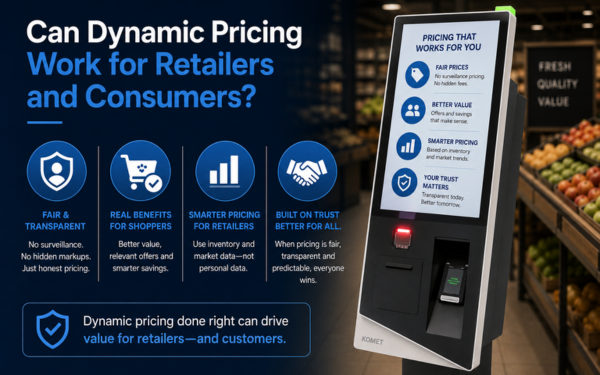
That is perhaps the biggest lesson of all for making dynamic pricing work for both businesses and consumers. When it is all controlled on the retailer’s side, when changes are unpredictable and lack transparency, it breeds mistrust – even more so if businesses are harvesting personal data to do it. When consumers are involved in the process, when the benefits are clear, and when there’s some degree of predictability about the changes, everyone can get along.