Your Friendly Neighborhood Fulfillment Hub: How Expanding Services Reshape Store Design
Retail was originally built around simple transactional journeys. Customers entered a store, browsed for whatever they wanted (either searching for pre-planned items or looking for inspiration), selected products, and paid at the checkout.
You can still see this model in the way that physical stores are designed today. Take the layout of grocery stores, for example. The parallel aisles create a weaving pathway designed to simultaneously help shoppers find all the items they need easily, and maximize exposure to impulse selections. At the end of the path you find the checkout lanes serving as exit points, the final stop of the purchasing journey.
These kinds of store layouts and designs are still very much familiar and visible today. But physical retail is not just about browse-select-buy these days. People head to stores to collect online orders and return unwanted items. Store inventories are used as local picking centers to fulfill same-day deliveries and ship-from-store orders.
As digital and physical retail have merged into a single blended ecosystem, the role of stores has changed. From the convenience sector to grocery, appliances and electronic devices to food service, stores often now find themselves in the role of local neighborhood fulfillment hub. And that in turn is changing the face of store design.
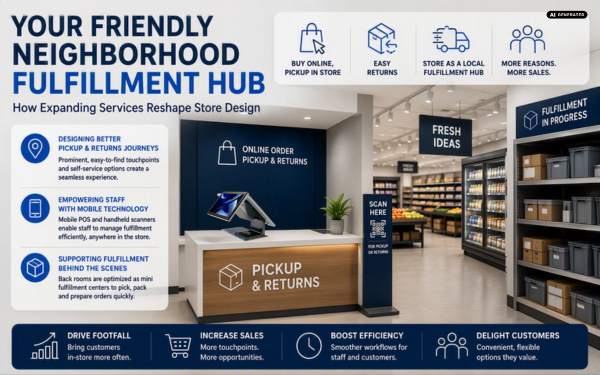
Designing a better pickup and returns journey
BOPIS (buy online, pickup in store) is not just about giving consumers extra options. It’s a smart move for increasing sales and revenues for retailers, too, with estimates suggesting that 30 to 40% of customers who collect an order in store go on to buy something else during their visit. The same goes for returns. The more reasons you give people to visit a store, the more sales opportunities you create.
The key is making sure that the extra service on offer is convenient and fits comfortably with the rest of the store experience. Part of that boils down to store design. It needs to answer questions like: where does the customer head if they want to collect an order or return an item? Is it easy to get to and well sign-posted? In the past, returns and customer service desks would often be tucked away in some out-of-the-way corner. But for frontline services you hope will increase footfall, you need the touchpoints to be much more prominent.
There are tech implications here, too. Unless you go down the route of pickup and drop-off lockers, you will need a staffed desk somewhere in your store to handle collections and returns. But that doesn’t mean the whole process has to take place at that desk, at the risk of queues forming.
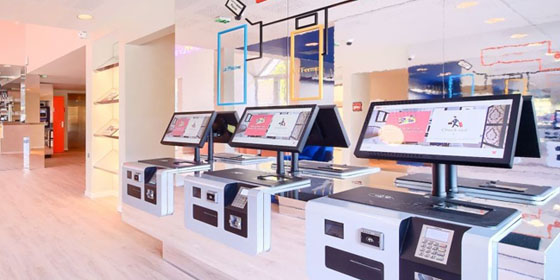
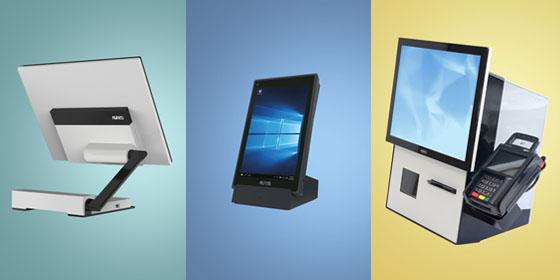
Self-service kiosks can allow customers to scan collection codes or receipts for a return at their convenience, or even as soon as they walk into the store. The same principle applies to staff carrying mobile POS tablets. The collection desk can be alerted to pick the item before the customer even gets there, giving them time and space to shop and then simply grab their order when they are ready.
Supporting fulfillment behind the scenes
The changes required extend beyond front-of-house. If you offer BOPIS, curbside pickup, or start picking local deliveries from a store, back room storage areas no longer serve shelf replenishment only. Associates need to be able to pick specific items at short notice, update inventory, maybe even pack items and print labels. They need to be set up as mini fulfillment centres.
There are a number of considerations that go with this. Access between shop floor and the back room becomes all important. Staff need to be able to move from one to the other as quickly and seamlessly as possible, so distances matter. You need any staffed collection desk to be within easy reach, while still being in a convenient position for customers.
Again, technology plays an important role. As more and more retailers introduce multiple modes of fulfillment to their stores, we’re seeing adoption of mobile POS and other handheld scanning devices increase. These allow associates to handle the full fulfillment journey, from scanning order codes to registering picked items, from a single device, as and when required. In-the-moment scanning of picked items helps keep stock information up to date even as the movement of stock becomes more complex.
In summary, as the role of the store evolves, retailers need a strategy for how to adapt store design and layouts to reflect different workflows and customer journeys. This needs to reflect how shoppers, staff and goods move throughout the store, including between back room storage and front-of-house areas. Most of all, it needs to make collection, returns and other fulfillment journeys as user-friendly as possible to drive traffic and boost sales opportunities.
To talk more about the role POS technology can play in enabling this transformation, contact the ADVANTECH-AURES team.