
It’s that time of year again, retailers. As summer fades into fall, thoughts inevitably turn to the Holiday Season to come. So what can you expect in 2026?
What’s an absolute given these days is how definitive Q4 performance will be when it comes to year-end results. As every retailer knows, that peak season just keeps getting longer and longer and consumer spending just keeps jumping higher and higher. After total retail sales over the ‘peak of the peak’ period from Thanksgiving to Christmas passed $1 trillion for the first time last year, businesses should be planning for more of the same in 2026.
That planning has to start now. So without further ado, here are four key trends you should know about, and how to prepare accordingly.
1. Consumers may start their holiday planning earlier, but buying will be condensed into a short, sharp peak
Over the past few years, customer behavior tracking has highlighted consumers starting their holiday shopping earlier and earlier. But that doesn’t necessarily mean they will do the bulk of their buying early.
Stripe’s analysis of 2025 peak season transactions found that purchases accelerated sharply around 10 days before Black Friday. But analysis of web traffic and footfall before that demonstrates that everyone didn’t just suddenly remember Thanksgiving was coming and they needed to buy gifts (which was how things worked once upon a time). Consumer activity was high throughout Q4, suggesting people spent a lot of time on discovery and consideration, planning the purchases well in advance.
This trend has to be factored into peak season planning. Even if they’re not spending early, if shoppers are looking to plan early, retailers have to cater to that or else risk missing out when it does come to ‘buying season.’ That means planning deals well in advance and promoting them early, as well as updating systems with the necessary data.
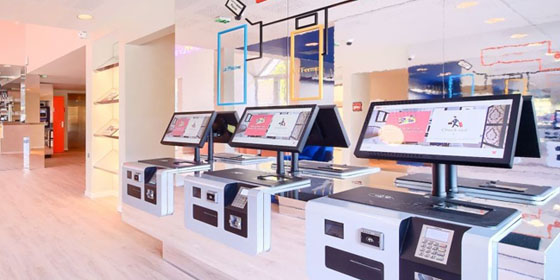
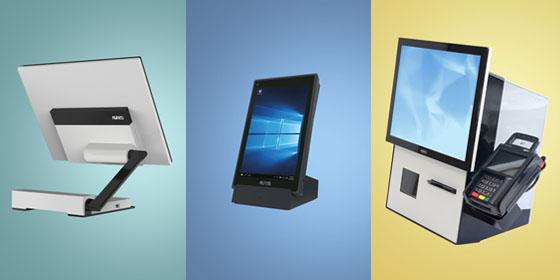
Then in advance of Black Friday, store owners should stress-test POS hardware and network connections to simulate peak transaction volumes, and plan additional checkout capacity in the form of temporary POS stations, mobile POS or self-service kiosks. The goal is to be able to respond to sudden surges in footfall as and when they happen, without the risk of bottlenecks and delays.
2. Selective shoppers will expect visible value
One of the reasons consumers are starting their holiday season planning earlier is because they are prioritizing value. Even as consumer confidence falls amidst rising concerns about inflation, analysts don’t expect shoppers to reduce their spending this year. But they do see them becoming more deliberate about what they buy, and taking the time to ensure they get the most for their money.
This means people will be less inclined to rely on impulse buys when they see a deal they like, which in turn means blanket discounts will be less effective. Consumers will do their research on the products they want, and then track prices and wait for the best deal. For retailers, winning their custom will be a case of matching the right product to the right customer with the right price.
This will increase the importance of carefully curated product selections and targeted, even personalized promotions. Businesses can make the most of loyalty schemes to deliver that, and promote their benefits come the Black Friday period well in advance.
3. Consumers value full omnichannel flexibility
Value-conscious consumers will want to take advantage of the best opportunities whenever and wherever they see them. To meet that demand, retailers need to offer full omnichannel integration and flexibility, allowing shoppers to move seamlessly between online, mobile and in-store and secure the right deal in the moment.
This carries the usual advice about syncing in-store and e-commerce systems, and making sure pricing and promotions are consistent across channels. But there’s more to this than shoppers feeling short-changed if they don’t get the deal they saw online in-store, or if an item they wanted turns out to be out of stock. It’s increasingly a fulfillment play.
Imagine a customer sets price tracking on an item (something we’re seeing more and more of with AI agents). They get an alert on their cell phone days before Thanksgiving at a price they feel is too good to miss. They click buy, but they don’t want to risk it not being delivered before the holidays, so they want to pick up in store.
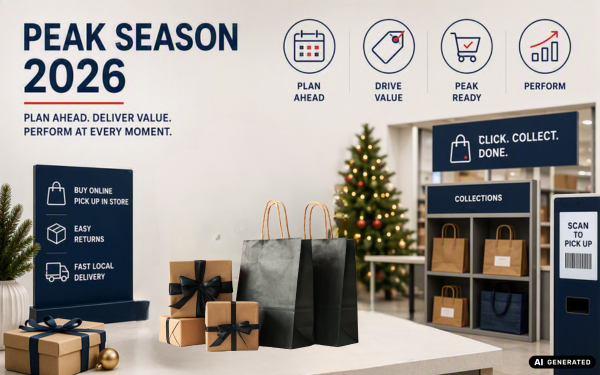
This is the kind of flexibility that will really add value to consumers who have more tools at their disposal than ever to research for value. As well as systems integration, retailers need to check they have the capacity to handle BOPIS at peak times, or even use stores as last-mile fulfillment centers to speed up local delivery at the time when shoppers want items most. It’s no longer just a case of thinking of the best deals. In an omnichannel world, how you get the products into people’s hands is part of the value offer.